
Motorized vs Manual Blinds
Automated blinds are no longer a luxury add-on — motorizing a window now costs roughly $150–$250 more than the manual version. This guide shows where that money is worth spending and where a manual blind is the smarter choice.
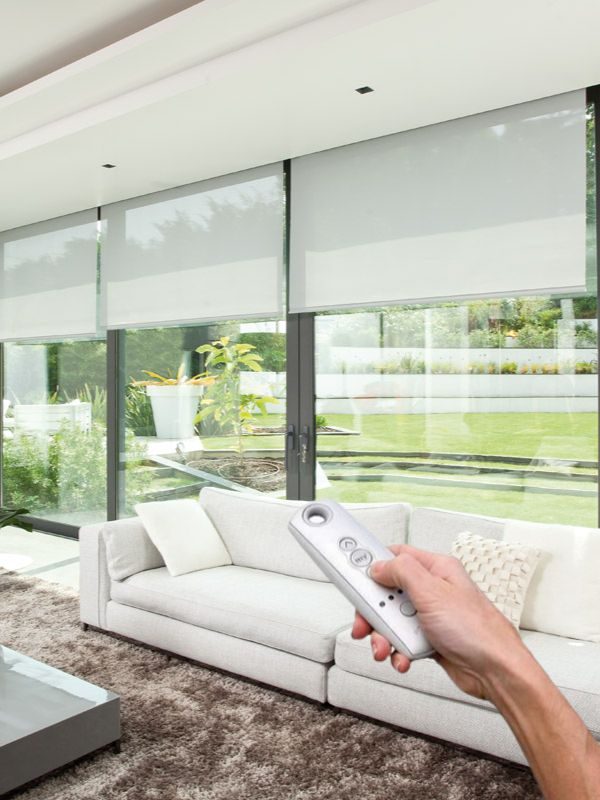
Motorized blinds vs manual blinds
| Motorized / automated | Manual | |
|---|---|---|
| Operation | Remote, wall switch, app, voice, schedule | Chain, wand, or cordless lift |
| High or hard-to-reach windows | Ideal | Often unusable |
| Child and pet safety | No cords at all | Cordless options only |
| Energy savings | Automatic daily scheduling | Only when you remember |
| Power | Rechargeable, solar-charged, plug-in, or hardwired | None needed |
| Whole-room control | One remote or scene for every shade | One shade at a time |
| From (installed) | $359 per standard window | $159–$199 per standard window |
| Warranty | 5 years on the motor | Hardware warranty |
Starting installed prices for a 36" × 48" window including free measurement and installation.
Motorize These Windows First
Where automation earns its cost
You don't have to motorize a whole house. Most clients automate the windows that are annoying or impossible to reach and leave simple windows manual — the same order can mix both.
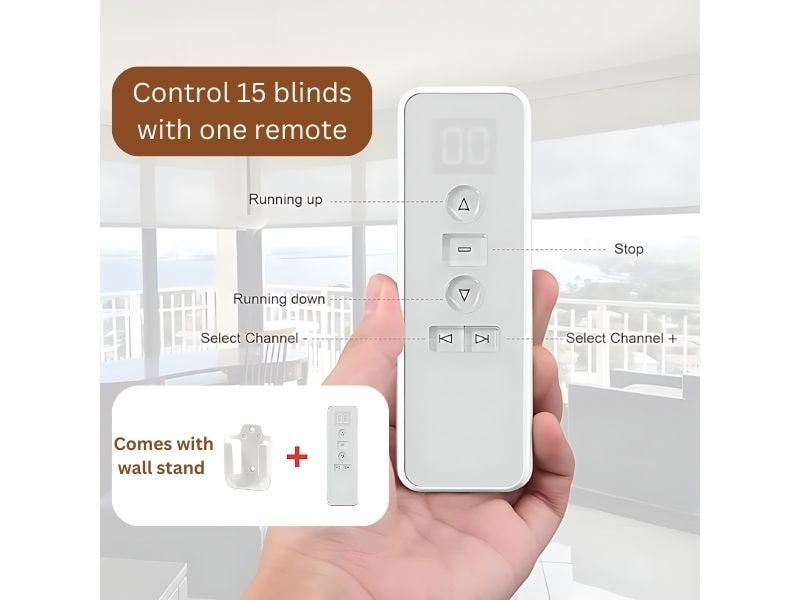
One multi-channel remote or a single voice command then handles a whole wall of glass, and schedules take over the daily routine of opening for daylight and closing at sunset.
- Tall stairwell, transom, and above-door glass
- Window walls in condos and open-plan living rooms
- Skylights and anything needing a ladder
- Bedrooms on a wake-up and bedtime schedule
- Any room where a child or pet could reach a cord
Keep These Manual
When a manual blind is the better buy
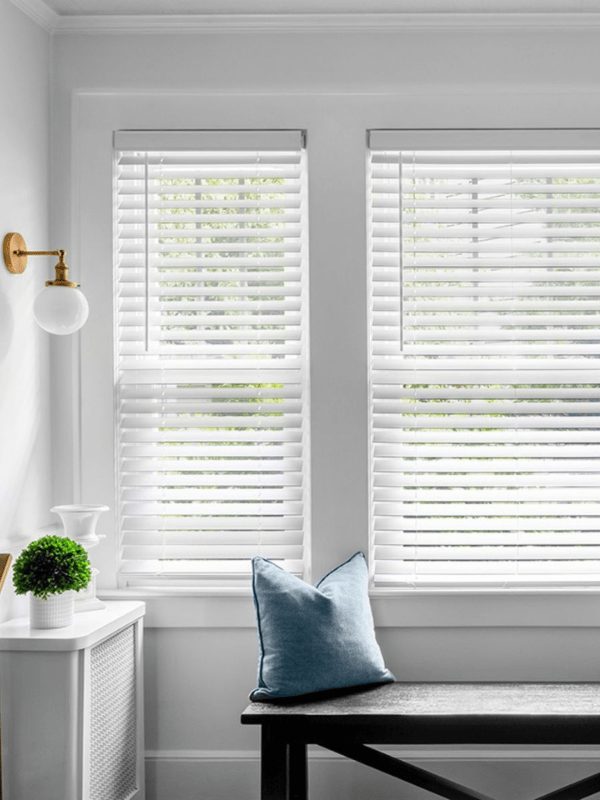
Small, easy-to-reach windows that you adjust once a season don't need a motor. Powder rooms, laundry rooms, and pantry windows are usually manual, and cordless lift keeps them child-safe.
Spending that budget on better fabric or on motorizing the difficult windows almost always gives a bigger day-to-day improvement.
- Bathrooms, laundry, and pantry windows
- Rentals and short-term stays
- Rooms where the shade rarely moves
Power Options
How automated blinds are powered
Rechargeable lithium
Most common retrofit. Charge with a USB cable every 8–12 months depending on use.
Solar charged
A slim solar panel sits behind the shade facing the glass and keeps the battery topped up — no plugging in.
Plug-in adapter
Continuous power from a nearby outlet, ideal where an outlet is already close to the window.
Hardwired
Wired into the wall during construction or renovation for a completely invisible finish.
Our recommendation
Motorize the windows you use most and the ones you can't reach; keep the rest manual and cordless. That mix delivers nearly all of the convenience for a fraction of a whole-home automation budget.
If you are renovating or building, run low-voltage wiring to the main windows now even if you install manual shades — retrofitting hardwired motors later is far more disruptive than doing it during construction.
Keep Comparing
More blind comparisons and guides
What are the best blinds?
Every blind type ranked by room, with installed price ranges.
How to choose window coverings
A step-by-step way to decide on light, privacy, insulation, and budget.
Roller shades vs zebra blinds
The two most popular choices in Vancouver, side by side.
Blackout vs cellular for bedrooms
Darkness, insulation, and noise compared.
Motorized vs manual blinds
What motorization actually costs and when it pays off.
Blinds installation service
How our free measure and professional installation works.
Related Services
Blinds services in Vancouver
Not sure which one is right for your windows?
Book a free in-home consultation. A designer brings fabric samples and motor demos to your home, measures every window, and leaves you with a written quote the same visit.